What if you could enhance your online privacy simply by using a different email address? Temporary email services provide a practical solution for managing spam and protecting your personal information. Yet, using them wisely is crucial. Here’s what you need to know.
What You Will Learn
- Temporary emails are legal when used for legitimate purposes, like signing up for newsletters.
- Always check the terms of service of any website to avoid violating agreements when using temporary emails.
- Using temporary emails can help protect your privacy, but compliance with privacy laws is still essential.
- Account lockouts can occur if platforms detect temporary emails associated with suspicious activities.
- Your data may not be as secure as expected, leading to potential privacy leaks from temporary email services.
- Frequent use of temporary emails could result in being blacklisted by online services, affecting future sign-ups.
- Understanding GDPR and the CAN-SPAM Act is vital when using temporary emails for marketing purposes.
- The CCPA impacts how temporary email services operate, emphasizing user rights regarding personal data.
Legal Considerations for Temporary Email Usage
Navigating the legal landscape of temporary emails requires understanding key points, ethical considerations, and potential risks. Below is a comparison of these crucial aspects. For more insights into ethical online practices, consider reading about how to choose a burner phone.
Are Temporary Emails Legal? Key Points
- Legitimate Use: Legal for newsletters, content access.
- Terms of Service: Must comply with website agreements.
- Privacy: Actions must adhere to privacy laws.
Generally legal if used responsibly.
Ethical Use of Disposable Emails
- Stay Honest: Protect primary inbox, avoid spam.
- Avoid Deception: Don't impersonate or commit fraud.
- Respect Policies: Adhere to platform rules.
Ethics guide responsible digital navigation.
Potential Risks of Temporary Email Usage
- Account Lockouts: Restriction due to suspicious activity.
- Privacy Leaks: Data not secure, potential exposure.
- Blacklisting: Frequent use can lead to service bans.
Awareness helps mitigate potential pitfalls.
Key Regulations & Their Impact
- GDPR: Strict rules on personal data processing.
- CAN-SPAM Act: Requires email opt-out mechanisms.
- CCPA: Rights for California residents on data use.
Ensuring compliance in a regulated environment.
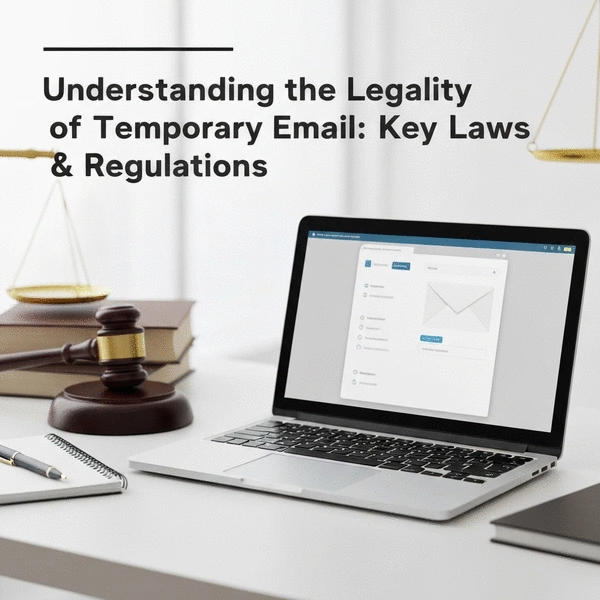
Understanding the Legality of Temporary Emails
As a digital privacy advocate, I often get asked about the legal standing of temporary email services. Are they legal? The short answer is yes, but there are important nuances to consider. Temporary emails can be a great tool for enhancing your online privacy and managing spam, yet users must understand the legal frameworks surrounding their use to avoid complications.
Generally, using a temporary email address is legal, but it’s crucial to use it responsibly. Misusing disposable emails, such as for fraudulent activities, can lead to legal repercussions. Therefore, it's essential to be aware of the guidelines and regulations that govern this space.

Are Temporary Emails Legal? Key Points to Consider
- Legitimate Use: Temporary emails are legal when used for appropriate purposes, like signing up for newsletters or accessing content.
- Terms of Service Compliance: Always read the terms of service of the websites you interact with to ensure you're not violating any agreements.
- Privacy Considerations: While temporary emails can help protect your primary email, your actions must still comply with privacy laws.
Understanding these key points helps to clarify the legality surrounding temporary emails. It’s all about how you use them! If you’re signing up for services, just ensure that you’re not using these emails for anything illegal or against the terms of service of the sites you’re engaging with. For deeper insights into digital security, explore our guide on how to secure your digital life.
Ethical Use of Disposable Emails
- Stay Honest: Use temporary emails for legitimate reasons, like protecting your primary inbox from spam.
- Avoid Deception: Don’t use them to impersonate someone or commit fraud.
- Respect Policies: Always adhere to the rules of the platforms that you’re engaging with.
By using temporary emails responsibly, we can enjoy the benefits they offer while minimizing the risk of legal issues. Just remember, ethics play a huge role in how we navigate our digital lives!
Navigating Legal Risks and Compliance Issues
When venturing into the realm of temporary emails, it’s essential to recognize the potential legal risks associated with their usage. While they can enhance your privacy, they come with specific challenges that every user should be aware of.
In the next sections, we will delve deeper into these risks, including account lockouts, privacy leaks, and the potential for blacklisting—important considerations for anyone using temporary email services.
Pro Tip
When using temporary email services, always opt for providers that emphasize user privacy and data security. Look for those with clear privacy policies and transparent practices to ensure your information remains safe and secure.
Navigating Legal Risks and Compliance Issues
As we dive deeper into the world of temporary emails, it’s crucial to understand the legal risks and compliance issues associated with their use. While these disposable email addresses can enhance our online privacy, they also come with potential pitfalls. Let’s break down some of these risks so you can navigate them more effectively.
When using temporary emails, users might face challenges such as account lockouts, privacy leaks, and even the risk of being blacklisted by certain services. That’s why I'm passionate about educating users on responsible and informed use of these tools. It’s not just about staying anonymous; it’s about staying safe!
Potential Risks Associated with Temporary Email Usage
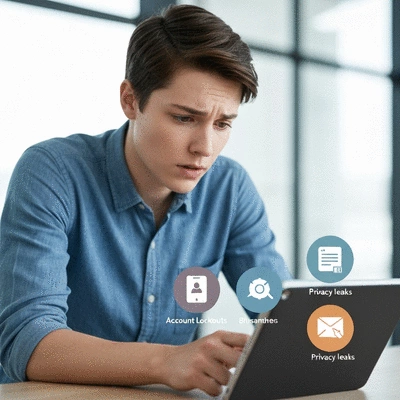
- Account Lockouts: Many platforms may restrict access if they detect a temporary email address associated with suspicious activities.
- Privacy Leaks: In some cases, your data may not be as secure as you think, leading to potential leaks.
- Blacklisting: Frequent use of temporary emails can lead to being blacklisted by online services, impacting future sign-ups.
Understanding these risks will help you use temporary emails more wisely. Always choose reputable providers that prioritize user safety and transparency. This way, you can enjoy the benefits of disposable email addresses without inviting unwanted issues!
Understanding GDPR and CAN-SPAM Regulations
The General Data Protection Regulation (GDPR) and the CAN-SPAM Act play significant roles in the legal landscape concerning temporary emails. GDPR mandates strict rules on how personal data is processed, including temporary email addresses. Essentially, if you’re using disposable emails to sign up for services, you must ensure that those services comply with these regulations.
Furthermore, the CAN-SPAM Act requires that commercial emails include clear opt-out mechanisms. If you’re utilizing temporary emails for marketing purposes, be aware of these regulations to avoid hefty fines or legal repercussions. For a comprehensive overview of privacy regulations, refer to our article on understanding online privacy laws.
Impact of the CCPA on Temporary Email Services
The California Consumer Privacy Act (CCPA) also significantly affects how temporary email services operate. This legislation provides California residents with rights regarding their personal information, including the ability to know what data is being collected and how it’s being used. If you're using a temporary email service, it’s essential to check whether the provider complies with CCPA regulations.
By understanding the implications of the CCPA, users can make educated choices about their email privacy. This not only helps in safeguarding personal information but also fosters a culture of respect for privacy rights.
Frequently Asked Questions (FAQs)
Q: Are temporary email services legal?
A: Yes, temporary email services are generally legal when used for legitimate purposes, such as signing up for newsletters or accessing content. However, misusing them for fraudulent activities can lead to legal repercussions.
Q: What are the ethical considerations when using disposable emails?
A: It's important to use temporary emails honestly and avoid deception. They should be used to protect your primary inbox from spam, not to impersonate others or commit fraud. Always respect the terms of service of the platforms you interact with.
Q: What are the potential risks of using temporary email services?
A: Potential risks include account lockouts by platforms detecting suspicious activity, privacy leaks if the service is not secure, and being blacklisted by online services due to frequent use.
Q: How do GDPR and CAN-SPAM Act affect temporary email usage?
A: GDPR sets strict rules for processing personal data, including temporary email addresses, requiring services to comply. The CAN-SPAM Act mandates opt-out mechanisms for commercial emails, relevant if temporary emails are used for marketing.
Q: What is the impact of CCPA on temporary email services?
A: The CCPA grants California residents rights over their personal information, affecting how temporary email services handle user data. Providers must comply with CCPA regulations regarding data collection and usage.
Recap of Key Points
Here is a quick recap of the important points discussed in the article:
- Legitimate Use: Temporary emails are legal when used for appropriate purposes, such as signing up for newsletters or accessing content.
- Terms of Service Compliance: Always read the terms of service of the websites you interact with to ensure you're not violating any agreements.
- Privacy Considerations: While temporary emails help protect your primary email, ensure compliance with privacy laws.
- Ethical Usage: Use temporary emails honestly, avoid deception, and respect platform policies.
- Recognize Legal Risks: Be aware of potential account lockouts, privacy leaks, and the risk of being blacklisted.
- Compliance with Regulations: Understand the implications of GDPR, CAN-SPAM, and CCPA when using temporary emails.