

Have you ever felt overwhelmed by spam in your inbox? Temporary email services can be a lifesaver, providing anonymity and protecting your primary email from unwanted messages. Discover how these disposable email addresses can enhance your online experience.
What You Will Learn
- Temporary email services create disposable email addresses, perfect for short-term use.
- These services protect your primary inbox from spam and help maintain your privacy.
- Common use cases for temporary emails include signing up for promotions and account verification.
- Key players in the market include Mailinator, Guerrilla Mail, and 10 Minute Mail, each with unique features.
- While beneficial, temporary emails have limitations, such as potential data loss and website restrictions.
- To maximize effectiveness, use these services for non-essential accounts and consider service credibility.
Comparing Temporary Email Service Features
A side-by-side comparison of the advantages and challenges, and key players in the temporary email service landscape.
Advantages of Disposable Emails
- ✔ Privacy Protection: Keeps primary inbox safe from spam.
- ✔ Anonymity: Users can remain anonymous during sign-ups.
- ✔ Convenience: Easy access for short-term needs.
Challenges of Disposable Emails
- ✖ Limitations: Some websites block disposable email addresses.
- ✖ Data Loss: Emails deleted after a period, risking missing communications.
Key Players & Features
Mailinator
User-friendly web interface, no sign-up required.
Guerrilla Mail
Offers various domains, time-sensitive inbox.
10 Minute Mail
Email address valid for just ten minutes.
Effective Usage & Security
Verification Tools
ZeroBounce and NeverBounce improve email list quality.
Spam Protection
SpamAssassin checks incoming messages for spam.
Best Practices
Use for non-essential accounts and verify service credibility.
Understanding the Mechanics of Temporary Email Services
When it comes to navigating the digital landscape, temporary email services can be a game-changer. These services provide users with disposable email addresses that can be used for various online registrations without exposing your primary email. But how exactly do they function? Let's dive into the details!
Temporary email services create a unique email address that you can use for a short period. When you send an email to this address, it gets delivered to a temporary inbox managed by the service provider. After a set amount of time, this inbox—and all its contents—are deleted, ensuring your privacy remains intact. For a deeper understanding of digital privacy, consider reading about managing your digital footprint.

What Are Temporary Email Services and How Do They Function?
In essence, temporary email services offer a way to receive emails without the commitment of a permanent address. This is particularly useful for signing up for newsletters, online forums, or other services where you don't want to share your personal email. By using a temporary email, you can avoid spam and protect your privacy!
- Disposable email addresses created for immediate use
- Receive emails without revealing your identity
- Temporary inboxes that self-destruct after a short time
Many services allow you to access these temporary inboxes through a web interface or mobile app, making it easy to manage your communications. The beauty of these services is that they help prevent unwanted emails from cluttering your primary inbox, allowing you to enjoy a cleaner and more organized email experience.
The Purpose and Use Cases for Disposable Email
Temporary email addresses have become increasingly popular due to their versatility. Here are some common scenarios where they can be particularly useful:
- Sign Up for Promotions: Use a temporary email when signing up for newsletters and promotional offers.
- Account Verification: Create an account on a site without giving away your main email.
- Testing Services: Developers can utilize temporary emails to test features without spam interference.
These use cases highlight the primary purpose of temporary emails: to provide a layer of privacy and safety. As the founder of TempEmail Guide, I’ve seen firsthand how these services can shield users from unwanted digital intrusion!
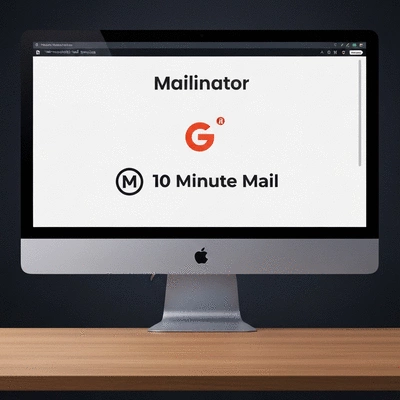
Key Players in Temporary Email Services: Mailinator, Guerrilla Mail, and 10 Minute Mail
Several platforms dominate the temporary email landscape, each offering unique features. Here’s a breakdown of some key players:
- Mailinator: Known for its user-friendly web interface and no sign-up required.
- Guerrilla Mail: Offers a variety of domains and a time-sensitive inbox.
- 10 Minute Mail: Provides a temporary email address that's valid for just ten minutes!
These services vary in terms of functionality, privacy features, and the duration for which the email address is valid. The choice of service often depends on your specific needs and the level of privacy you're looking for.
Pro Tip
When selecting a temporary email service, always check their privacy policy to ensure your data is not being sold or misused. Look for services that are transparent about their operations and prioritize user privacy. This will help you enjoy the benefits of disposable emails while keeping your personal information safe!
Summarizing the Dynamics of Temporary Email Services
As we explore the world of temporary email services, it’s essential to reflect on their advantages and challenges. On one hand, these disposable email solutions offer a practical way to maintain privacy and reduce spam. On the other hand, users must navigate some challenges, such as limited functionality and varying levels of reliability. Let’s dive deeper!
Advantages and Challenges of Using Disposable Email Solutions
- Privacy Protection: Temporary emails keep your primary inbox safe from spam.
- Anonymity: Many services allow users to remain anonymous during sign-ups.
- Convenience: Easy access for short-term needs like newsletters or trial services.
- Limitations: Some websites block disposable email addresses altogether.
- Data Loss: Temporary emails are often deleted after a certain period, which can lead to missing important communications.
It’s clear that while disposable email addresses can greatly enhance your online experience, there are also significant drawbacks to consider. Users should weigh these pros and cons based on their individual needs. For more on online security, check out this article on understanding common online threats.
Final Thoughts on Implementing and Using Temporary Email Services Effectively
To effectively utilize temporary email services, consider setting clear expectations. Make sure you use a disposable email for non-essential accounts or temporary sign-ups. Additionally, always verify the credibility of the service you choose. This ensures you don’t compromise your privacy or security.
As someone passionate about online safety, I encourage you to experiment with different services. Find out which ones suit your needs best. Remember, the goal is to enhance your online experience while keeping your personal information safe!
Next Steps for Developers and Users
Resources for Building Your Own Temporary Email Service
If you’re a developer interested in creating your own temporary email service, there are plenty of resources available. Consider looking into open-source projects that provide frameworks for building disposable email functionalities. This can give you a solid starting point.
- GitHub Repositories: Many open-source projects focus on email management.
- Online Forums: Communities like Stack Overflow can offer support and guidance.
- Documentation: Look for official documentation on email protocols and best practices.
Engaging with these resources can help you understand the technical aspects while also allowing you to contribute to community knowledge. I’ve found that collaborating with others often leads to innovative solutions!
Email Verification and Spam Protection: Tools for Enhanced Security
When using or developing temporary email services, implementing email verification and spam protection is crucial. These features enhance security and reduce the risk of misuse. Here are some tools to consider:
- ZeroBounce: A service that helps improve email list quality by verifying addresses.
- NeverBounce: Real-time email verification that reduces bounce rates and improves deliverability.
- SpamAssassin: An open-source anti-spam platform that checks incoming messages for spam characteristics.
By integrating these tools, you can foster a safer and more reliable experience for users of temporary email services.
Call to Action: Engage with Community Tools and Open-Source Projects
Finally, I encourage you to get involved! Whether you’re a developer or a user, engaging with community tools and open-source projects can lead to valuable insights and enhancements in temporary email services. Join forums, contribute to projects, and share your experiences. It’s a great way to learn and contribute to a cause I’m truly passionate about—enhancing digital privacy for everyone! You can also learn more about secure browsing tips to further protect your online presence.
Recap of Key Points
Here is a quick recap of the important points discussed in the article:
- Temporary email services provide disposable email addresses to maintain privacy and reduce spam.
- Common use cases include signing up for promotions, account verifications, and testing services.
- Key players in the market include Mailinator, Guerrilla Mail, and 10 Minute Mail, each offering unique features.
- While these services offer privacy protection and convenience, users must be aware of their limitations, such as potential data loss and site restrictions.
- It's crucial to verify the credibility of the temporary email service to safeguard your privacy and security.
Frequently Asked Questions (FAQs)
- What exactly is a temporary email service?
- A temporary email service provides disposable email addresses for short-term use, allowing you to receive emails without revealing your primary email address. These addresses often self-destruct after a set period.
- Why should I use a temporary email address?
- Temporary email addresses help protect your primary inbox from spam, maintain your anonymity during online sign-ups, and keep your personal information private when you interact with non-essential services or promotions.
- What are common uses for disposable emails?
- Common uses include signing up for newsletters and promotions, verifying accounts on new websites without using your personal email, and for developers to test services without cluttering their main inbox.
- Are there any downsides to using temporary email services?
- Yes, some websites block disposable email addresses, and since these emails are temporary, there's a risk of data loss if you need to access past communications that have been deleted. It's best for non-essential interactions.
- Which temporary email services are popular?
- Popular services include Mailinator (known for its user-friendly interface), Guerrilla Mail (offering various domains and time-sensitive inboxes), and 10 Minute Mail (providing an email address valid for only ten minutes).