
Choosing the right type of email can significantly impact your online experience. Whether you’re looking to protect your privacy or simply reduce spam, understanding the differences between temporary and permanent emails is essential. Dive into the key insights that will help you navigate your email needs effectively.
What You Will Learn
- Temporary emails are ideal for short-term use, such as signing up for newsletters or trials, without exposing your main email address.
- Permanent emails are necessary for ongoing communications, like banking and professional correspondence, ensuring secure and reliable access.
- Enhanced privacy and spam protection are significant advantages of temporary emails, while permanent emails often feature better security measures.
- Understanding your privacy needs and the importance of account recovery can guide you in choosing the right email type for your digital interactions.
Temporary vs. Permanent Email: A Functional Comparison
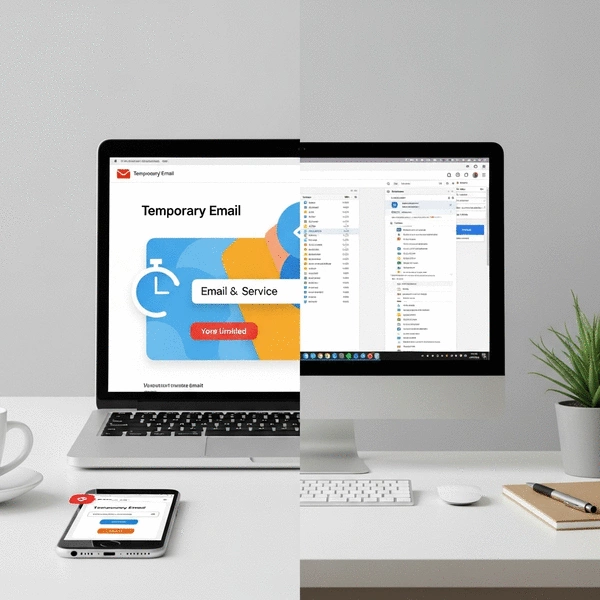
Understanding the key differences between temporary and permanent email services is essential for effective online communication and privacy management. The visual below highlights their primary distinctions in lifespan, usage, and security considerations.
Lifespan: Temporary vs. Permanent
Temporary Email: Brief, often minutes to days.
Permanent Email: Indefinite, long-term use.
Usage Scenarios
- Temporary: Free trials, newsletters, one-time registrations.
- Permanent: Banking, professional correspondence, long-term accounts.
Privacy & Security
- Temporary: Enhanced privacy, spam protection for primary email. May lack robust security.
- Permanent: Susceptible to spam, but often has strong security features (2FA, encryption).
Understanding Temporary Email vs. Permanent Email
In today's digital world, the choice between temporary email and permanent email is crucial for managing your online presence. Both types of emails serve different purposes, and understanding their differences can empower you to make informed decisions about your online communications. Let’s dive into what each type of email means and when to use them!
Defining Temporary and Permanent Emails
What is a Temporary Email?
A temporary email is a disposable email address that exists for a short period. It allows you to receive emails without revealing your main email address, helping to avoid spam or unwanted messages. Typically, these addresses are used for one-time registrations or situations where you need to maintain some level of anonymity online. For a more in-depth look, check out our post on understanding temporary email services.
For example, if you’re signing up for a free trial or a newsletter, a temporary email can be a perfect solution! You can enjoy the benefits without the long-term commitment of sharing your personal email.

What is a Permanent Email?
On the other hand, a permanent email is your main email address that you use for ongoing communication. It is typically associated with services that require long-term access, such as banking and professional correspondence. Permanent emails are reliable and are expected to remain active as long as you need them.
Many people rely on their permanent email for important tasks, so it’s important to choose a provider that maintains high security and privacy standards. This way, you can enhance your online engagement while keeping your information safe!
Key Differences in Functionality
Comparing Lifespan and Usage Scenarios
The lifespan of temporary emails is usually brief, often lasting a few minutes to a few days, whereas permanent emails can last indefinitely. Understanding when to use each type can help you manage your online interactions effectively.
- Temporary Email: Best for short-term use cases like signing up for events, newsletters, or trials.
- Permanent Email: Ideal for long-term accounts and ongoing communication like work or banking.
Utilizing these emails effectively can streamline your online experiences and keep your personal information secure. For more detailed insights into their applications, read our guide on understanding temporary emails for sign-ups.
Privacy and Spam Protection: What You Need to Know
One of the biggest advantages of temporary emails is their ability to provide enhanced privacy. You can shield your primary email from spam and unwanted messages. However, permanent emails, while more susceptible to spam, often come with better security features, such as encryption and advanced filtering.
Choosing the right type of email depends on your privacy needs and how you intend to use your email address. Always remember to evaluate your options based on what level of exposure you’re comfortable with!
Email Security: Protecting Your Information
Security is crucial when it comes to both temporary and permanent emails. Temporary email providers should prioritize user privacy and data protection. When selecting a permanent email service, make sure to choose one that offers strong security measures, like two-factor authentication.
- Temporary Email: May lack robust security features; hence, best for low-risk scenarios.
- Permanent Email: Typically provides comprehensive security options for sensitive information.
By being proactive about your email security, you can navigate the digital landscape with confidence and peace of mind.
Pro Tip
When using temporary emails, always choose a reputable provider. Look for services that prioritize user privacy and transparency, ensuring that your data is not being sold or misused. This way, you can effectively shield your primary email while enjoying the benefits of enhanced privacy.
Making the Right Choice for Your Email Needs
Choosing between temporary and permanent email can feel overwhelming, but I'm here to help simplify the process! Let's dive into some key considerations that will guide your decision based on your unique email needs.
Key Considerations for Your Decision
Before you make a choice, it's crucial to assess your specific needs. Here are some aspects to consider:
- Assessing Your Privacy Needs: Are you primarily concerned about protecting your personal information? Temporary emails offer enhanced privacy when signing up for services.
- Evaluating the Importance of Account Recovery: If you need consistent access to your accounts, a permanent email might be the better choice.
- Understanding GDPR Compliance and Email Privacy: Make sure you're aware of privacy laws like GDPR, which impact how your data is handled by email providers.
By keeping these considerations in mind, you can make a more informed choice that aligns with your online habits and privacy goals.
Visualizing the Differences
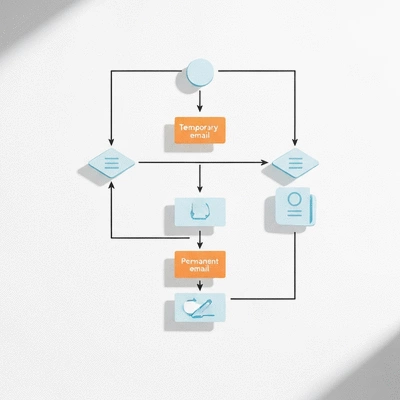
Sometimes, seeing information visualized can make a big difference in understanding it! Here are a couple of ways to visualize the differences between temporary and permanent email.
Infographic: Lifespan and Use Cases Comparison
An infographic can illustrate how long temporary emails last versus the reliability and longevity of permanent emails. You might find that temporary emails are perfect for short-term needs, while permanent emails are ideal for ongoing communications.
Chart: Email Deliverability Rates of Temporary vs. Permanent Emails
Another useful tool is a chart showing deliverability rates. This can highlight the success rates of emails reaching inboxes, illustrating why choosing the right type matters when you're expecting important communications.
In my experience with TempEmail Guide, I’ve seen how understanding these differences can empower users to navigate their email options more confidently! For additional insights on email privacy and data handling, consider our article on temporary email legality explained.
Frequently Asked Questions (FAQs)
Q: What is the main difference between temporary and permanent email?
A: Temporary emails are short-lived, disposable addresses used for brief interactions to protect your main email from spam. Permanent emails are long-term addresses for ongoing, important communications like banking or professional correspondence.
Q: When should I use a temporary email address?
A: You should use a temporary email for free trials, newsletter sign-ups, one-time registrations, or any situation where you want to avoid giving out your main email address and potentially receiving unwanted spam.
Q: What are the security implications of using temporary emails?
A: Temporary emails offer enhanced privacy by not exposing your primary address, reducing spam. However, they may lack the robust security features (like two-factor authentication or advanced encryption) often found in permanent email services, making them best for low-risk scenarios.
Q: Can I recover an account if I used a temporary email to sign up?
A: Account recovery can be difficult or impossible with temporary emails because they often expire quickly and are not designed for long-term access. For accounts requiring consistent access and recovery options, a permanent email is always the better choice.
Q: Do permanent emails offer better privacy than temporary emails?
A: While permanent emails are more susceptible to spam, reputable providers often include strong security features such as encryption and advanced filtering for better data protection. Temporary emails offer privacy by obscuring your main address but may not have the same level of inherent security features as permanent email services.
Recap of Key Points
Here is a quick recap of the important points discussed in the article:
- Temporary emails are ideal for short-term use and provide privacy by keeping your primary email address hidden.
- Permanent emails are best for long-term accounts and ongoing communication, such as work or banking.
- Temporary emails help avoid spam but may lack robust security features; use them for low-risk scenarios.
- Permanent emails typically offer comprehensive security options, making them suitable for sensitive information.
- Assess your privacy needs and the importance of account recovery before choosing the type of email service.
- Be aware of privacy laws like GDPR that affect your data handling with email providers.